


Todos los productos
-
Protección contra la radiación nuclear
-
Detector de la radiación nuclear
-
El proteger de cobre de la hoja
-
El RF protegió puertas
-
El RF protegió Windows
-
Vidrio de ventaja de la protección contra la radiación
-
Equipo de herramienta no magnético
-
El RF protegió la cámara
-
Salidas de aire de la guía de onda del panal
-
Cinta de cobre adhesiva conductora
-
Malla de alambre de cobre
-
Vidrio de plomo de rayos X
-
EMI Shielding Gasket
-
Tela eléctricamente conductora
-
Puerta de la protección contra la radiación
-
Protección contra la radiación X Ray
-
Jaula MRI de Faraday
-
Lanas del alambre de cobre
-
Iluminación de MRI LED
-
Silla de ruedas no magnética
-
Ensanchador no magnético
-
 AnecdotariosEl respiradero de cobre amarillo del panal parece muy bonito
 -
 SatheeshLas puertas de MRI/RF están brillando con las manijas, gracias mi amigo.
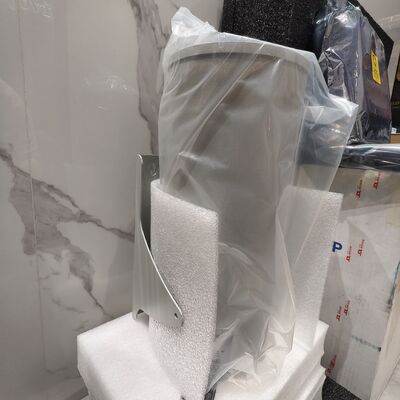
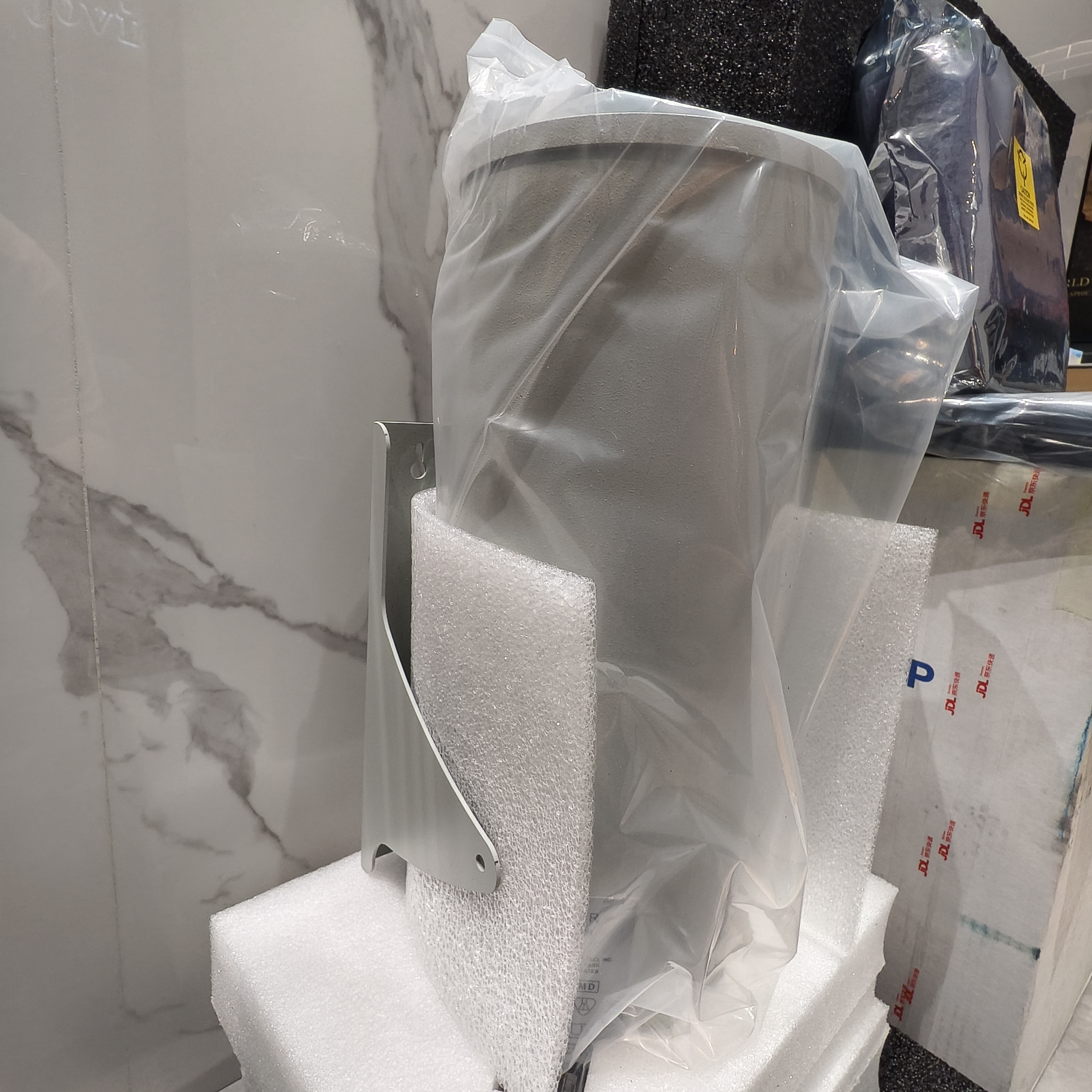
Calibrador de dosis de un solo canal dedicado a la dosificación de la jeringa con celda caliente
Datos del producto
| Rango de medición | 0,01 µSv/h a 10 Sv/h | Rango de energía de imagen | 50 keV – 1500 keV |
|---|---|---|---|
| Tipo de detección | Alfa, Beta, Gamma, rayos X | Área de la ventana de detección | 75 cm² |
| Rango de tasa de dosis | 10⁻⁶Gy/h-10Gy/h | Temperatura de almacenamiento | -20°C - 50°C |
Descripción de producto
Calibrador de dosis de un solo canal dedicado a la dosificación de jeringas de celdas calientes
Introducción del producto
El calibrador de dosis monocanal es un instrumento especializado optimizado para una única tarea: medir la actividad radiofarmacéutica en jeringas precargadas. A diferencia de los calibradores de uso general que deben acomodar viales, cápsulas, píldoras y jeringas, este instrumento está diseñado exclusivamente para jeringas. El diseño de un solo canal simplifica la operación, reduce los costos y logra una precisión de medición superior para las geometrías de las jeringas. La cámara de ionización tiene una forma que acepta jeringas estándar de 1 ml, 3 ml, 5 ml y 10 ml, con una profundidad que coloca la punta de la jeringa (donde reside la mayor parte de la solución radiactiva) en el punto de medición óptimo. El instrumento no incluye funciones innecesarias, lo que lo hace ideal para celdas calientes donde la medición con jeringa es la actividad principal.
Rango de aplicación
El calibrador de dosis de un solo canal está diseñado para departamentos de medicina nuclear que preparan la mayoría de las dosis de sus pacientes en jeringas; este es el caso de prácticamente todos los centros de PET/CT, la mayoría de los departamentos de SPECT/CT y muchos programas de terapia. Las aplicaciones principales incluyen medir dosis de F-18 FDG para PET/CT, cuantificar compuestos marcados con Tc-99m (MDP, sestamibi, MAG3, etc.) para estudios SPECT, verificar dosis de Ga-68 DOTATATE para imágenes de tumores neuroendocrinos y medir dosis de Lu-177 para PRRT cuando se administra con jeringa. El instrumento es igualmente valioso para el control de calidad de los procedimientos de llenado de jeringas, para verificar que los sistemas de dispensación automatizados proporcionen la actividad correcta y para medir la actividad residual en jeringas vacías después de la administración al paciente.
Rendimiento y beneficios
El calibrador de dosis de un solo canal logra una precisión de jeringa específica de±3%— mejor que el ±5% típico de las jeringas de medición de calibradores de uso general. Esta precisión mejorada se logra a través de tres características de diseño. En primer lugar, la geometría de la cámara de ionización está optimizada para la forma de la jeringa, con la sensibilidad concentrada en la punta donde se acumula la mayor parte de la solución radiactiva. En segundo lugar, el instrumento utiliza factores de calibración específicos de jeringas derivados de mediciones reales de jeringas estándar llenas con cada isótopo, en lugar de factores genéricos basados en geometrías de viales. En tercer lugar, el posicionamiento de la muestra es repetible: un tope mecánico garantiza que cada jeringa se inserte exactamente a la misma profundidad, eliminando una fuente común de variabilidad. El tiempo de respuesta es menor.3 segundospara dosis típicas de pacientes (5–20 mCi), y la función de rango automático cubre actividades desde0,1 mCi a 2 Ci. La pantalla muestra la actividad en mCi o MBq en dígitos grandes y fáciles de leer, con una alerta audible cuando se completa la medición. El instrumento incluye una biblioteca incorporada de factores de calibración de jeringas para todos los isótopos médicos comunes: F-18, Ga-68, Tc-99m, I-123, I-131, Lu-177 e Y-90. Para cada isótopo, la biblioteca incluye factores para múltiples marcas y tamaños de jeringas (1 ml, 3 ml, 5 ml, 10 ml) y los usuarios pueden agregar factores personalizados para aplicaciones especializadas. El sistema de registro de datos almacena hasta500 medidas de jeringacon metadatos completos y el puerto USB admite la exportación a sistemas de información de laboratorio. Una impresora opcional produce etiquetas para los historiales de los pacientes. El diseño de un solo canal ofrece varias ventajas prácticas. El instrumento es más pequeño que los calibradores de uso general y requiere menos espacio de trabajo fuera de la celda caliente. Es más sencillo de operar, con menos controles y requiere menos capacitación. Suele ser menos costoso, lo que lo hace atractivo para departamentos con limitaciones presupuestarias. Y como está dedicado a una sola aplicación, no hay riesgo de utilizar una configuración de geometría incorrecta, una fuente común de error en los instrumentos de uso general. Para los centros PET de gran volumen que miden cientos de jeringas cada semana, el calibrador de dosis monocanal ofrece la combinación óptima de precisión, simplicidad y valor. Al eliminar funciones que no son necesarias para la medición con jeringa, el instrumento se enfoca en hacer una cosa excepcionalmente bien. Los departamentos de medicina nuclear que combinan este calibrador exclusivo para jeringa con un calibrador exclusivo para vial separado logran una mayor precisión general que usar un único instrumento de uso general para ambas geometrías.
Productos recomendados
